“What ‘the fog of war’ means is war is so complex it’s beyond the ability of the human mind to comprehend all the variables. Our judgment, our understanding, are not adequate. And we kill people unnecessarily.” — Robert McNamara
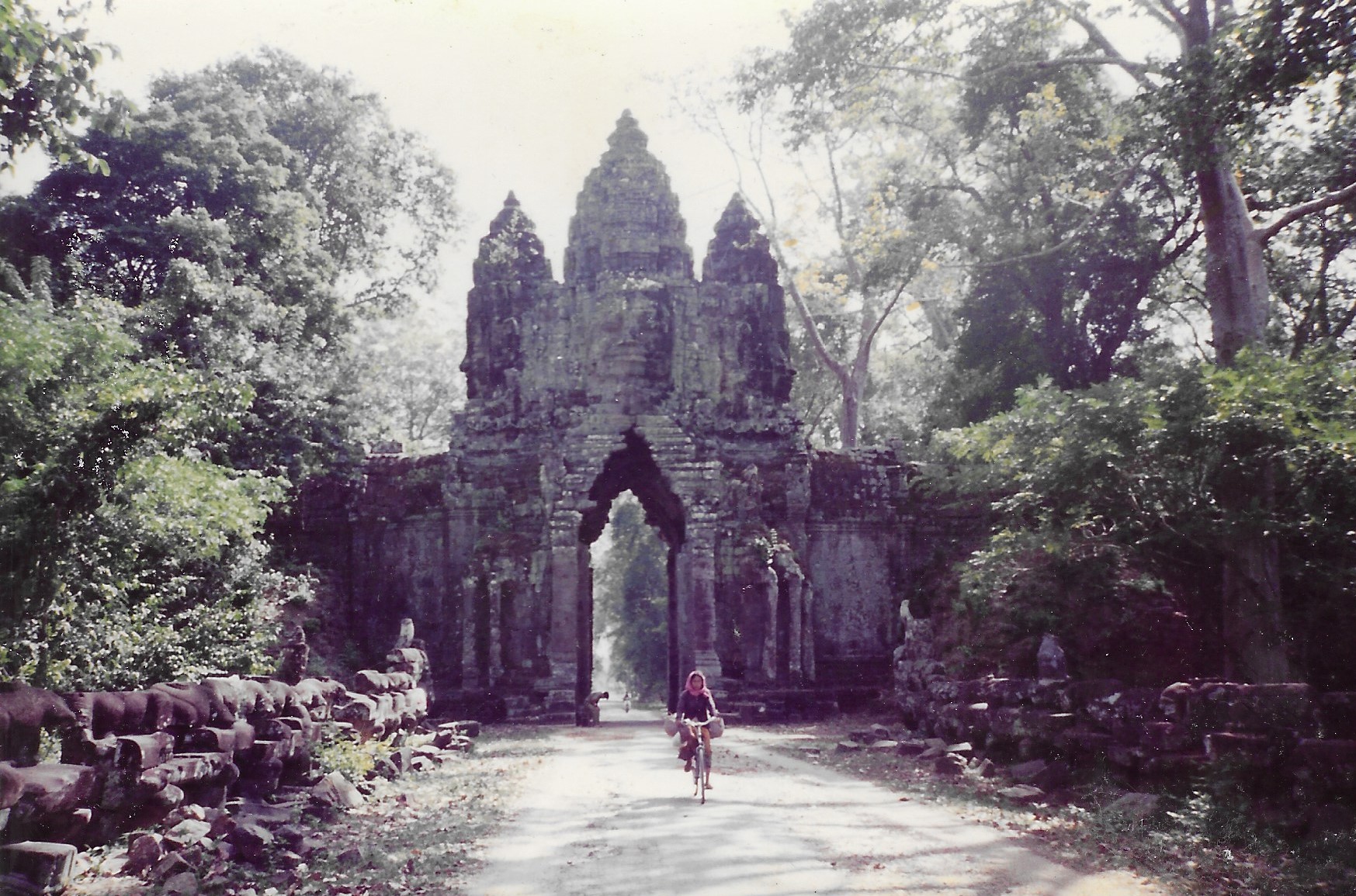
Cambodia; ancient, beautiful and mysterious
War often becomes an uncontrollable force, diverging from its originators’ intentions. In 1970 Richard Nixon, with guidance from Henry Kissinger engineered an invasion of Cambodia. Nixon was feeling the heat as the end of war date he had predicted had come and gone, and the peace movement was rapidly gaining momentum in the U.S.
The North Vietnamese army and the Viet Cong had long used Eastern Cambodia as a sanctuary and staging area, moving troops in and out and supplies in. There were an estimated fifty thousand North Vietnamese troops in Cambodia at any one time, and several thousand Viet Cong as well.
The Cambodians held no love for any Vietnamese, be they from the North or South. Cambodian prime minister Sihanouk though somewhat of a communist sympathizer, believed Cambodia could only be saved from the devastating war by maintaining neutrality.
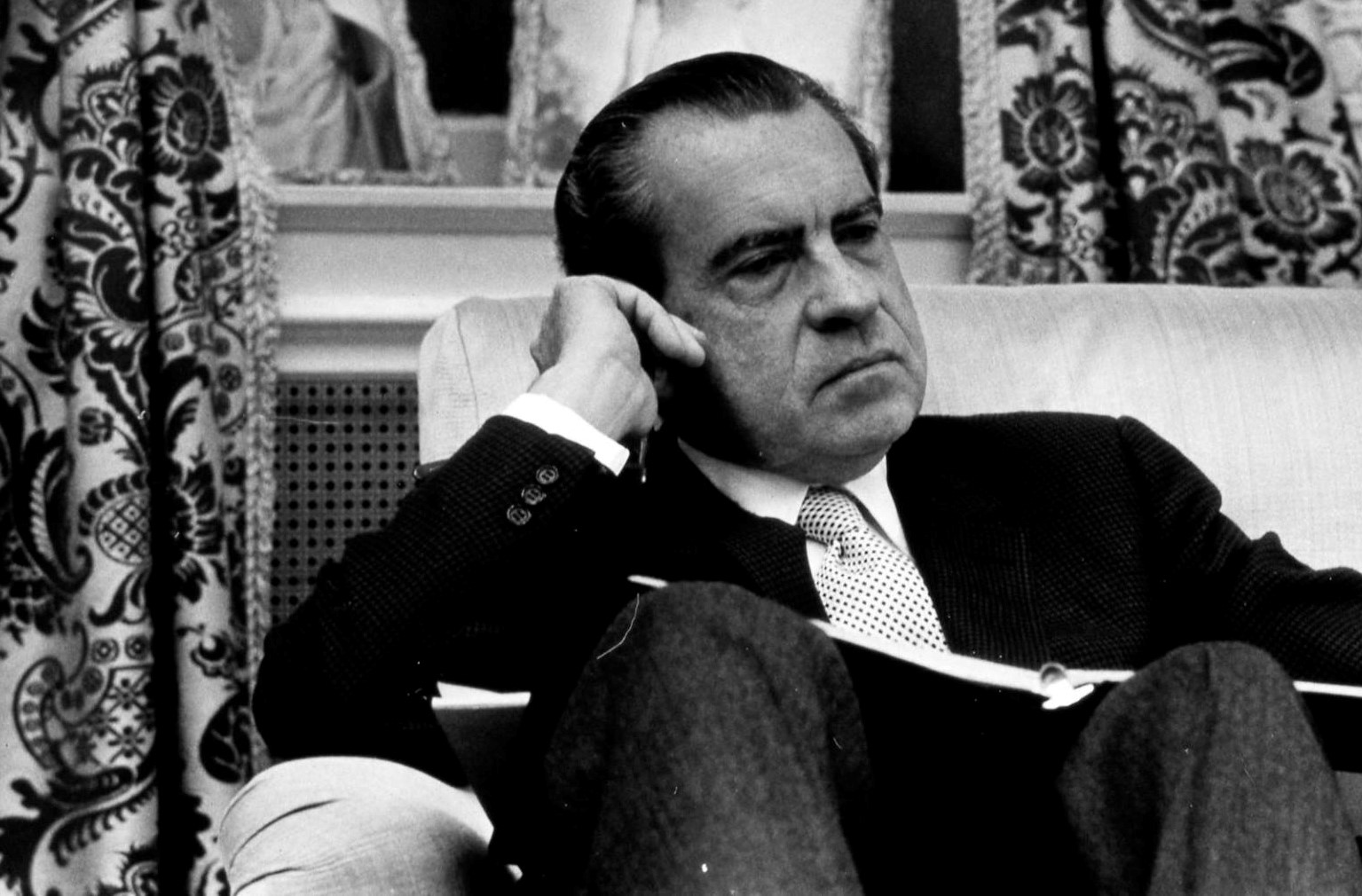
Nixon needed a victory of some kind
In March of 1970, Sihanouk was booted out in a coup by General Lon Nol, though engineered from the rear by the Nixon administration. This event would yield tragic results in just a few years.

Kissinger played no small part in the event
The Cambodian military excursion involved several operations by the South Vietnamese army, and several operations by the U.S. military. Initially successful, the communists were forced to retreat further west into Cambodia, back into North Vietnam, or South Vietnam in the case of the VC.
Beat back but not beaten, the communist Vietnamese added off load areas to the Ho Chi Minh Trail, allowing them to stage men and material away from the main trail which was heavily targeted during the Cambodian operation. Moreover, the devastating U.S. bombing during the invasion recruited thousands of Cambodians into the camp of the Khmer Rouge. The growth of the Khmer Rouge was facilitated by deposed Prime Minister Sihanouk, who though previously neutral, had remained very popular with the rank and file Cambodian citizens and now looked to get even with those who he felt betrayed him.
Despite the heavy military actions of the U.S. and South Vietnam, the on again, off again civil war in Cambodia, now buoyed by angry Cambodian citizens and their returned leader, was tipped in favor of and finally won by the Khmer Rouge when they ousted the existing government in 1975.

The ever more radical Khmer Rouge implemented genocidal programs to obtain “national purity”. Between 1975 and 1979, they were responsible for the deaths of two million of their countrymen; around 25% of the total population of Cambodia.
In 1979, Communist Vietnam invaded Cambodia, ousting the Khmer Rouge and stopping the genocide. Many of the Khmer Rouge were allowed into Thailand who left them intact as a fighting force to serve as a buffer on the border against Vietnamese forces.
Though mostly ousted, elements of the Khmer Rouge fought on in Cambodia until 1989 when the civil war finally came to an end, with untold casualties on both sides.
***
If you wish to share, please do share the article in its entirety.

Love your work, Joe!
Thanks Joyce!
Wow, Joe, Inpressive even though I spelled it wrong! Thanks for sharing!!! Yes, sometimes I repeat myself!!!
Thanks Jim